
Updates
Hark.
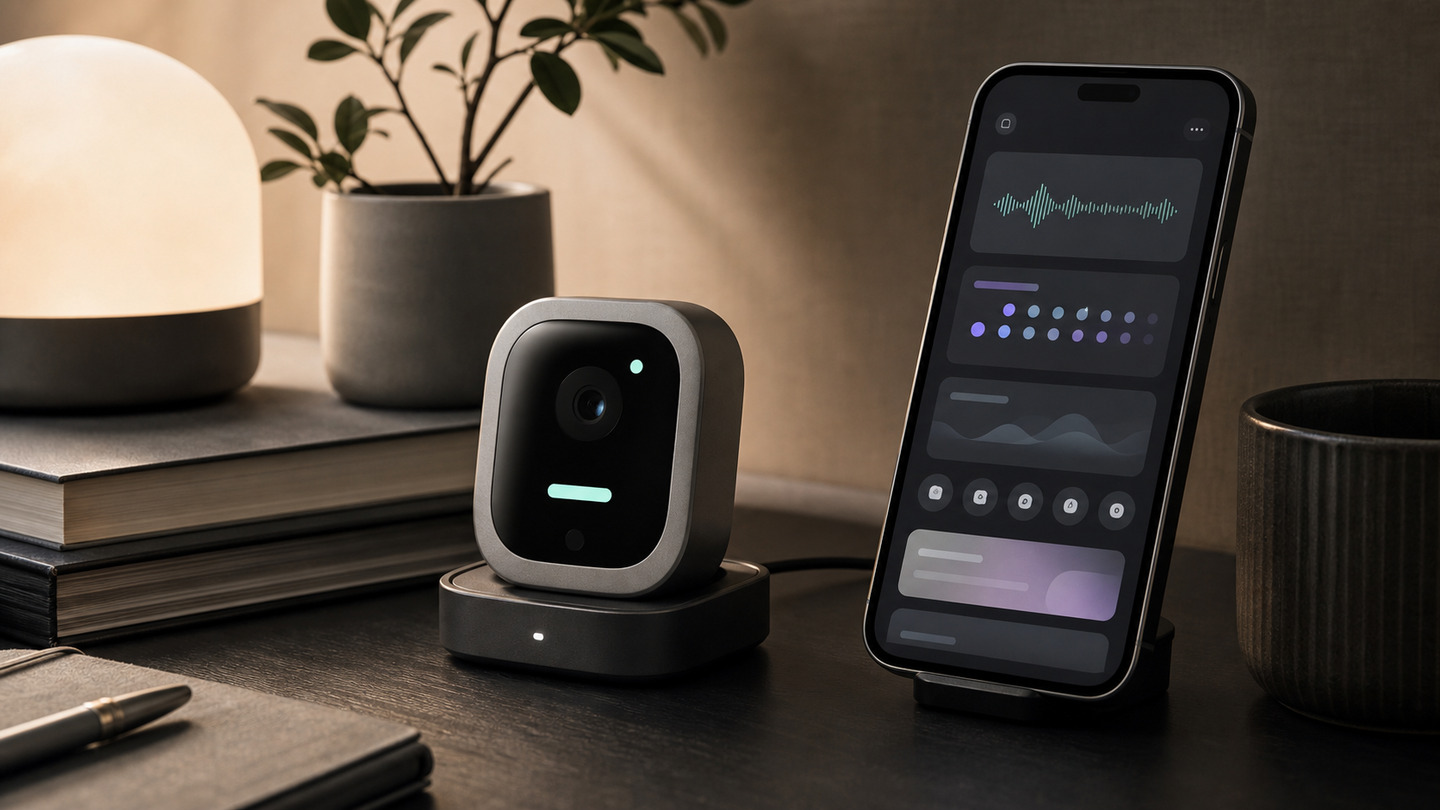
Hark builds personal intelligence: foundation models paired with hardware the company designs itself. The system listens and speaks, sees the world around it, builds persistent memory of its user, and acts on its own initiative. Hark describes the goal as a new interface to artificial intelligence.
The company is about 70 people. It raised more than $700 million in Series A funding at a $6 billion post-money valuation, led by Parkway Venture Capital, with NVIDIA, AMD Ventures, Intel Capital, Qualcomm Ventures, and Salesforce Ventures among the participants. Four semiconductor firms on the cap table of a consumer company is a tell that the hard problems here go beyond software. The product is entering beta now; the full platform launches this summer.
What they're building
The models come first. Hark is training them from scratch. They are agentic and multimodal, handling speech, text, and vision in one architecture rather than stitching together separate systems. Around the models sits memory. The assistant is designed to remember its user across time and act proactively, managing a person's digital life instead of waiting for a prompt.
The other half is physical. Hark is designing AI-native devices to carry these models, and it is building the compute underneath them, including its own NVIDIA B200 data center. One team develops the models, the devices, and the infrastructure as a single stack, so the parts fit.
Why we backed the founders and team
Most consumer AI products are a thin layer on someone else's model, reached through hardware designed for a previous era of computing. Hark is taking the longer route, training the models, building the devices, and owning the compute. Little of that work demos well (training runs, memory architecture, data center buildout). It is the long middle, where the product gets made.
We back teams that assemble whole systems rather than features. A computer that listens, sees, and remembers a person is a whole system, built from semiconductor partners, native hardware, owned infrastructure, and models trained for the job. The bet is seventy people taking all of it on at once, with the capital to finish.