
Updates
Quaise Energy.
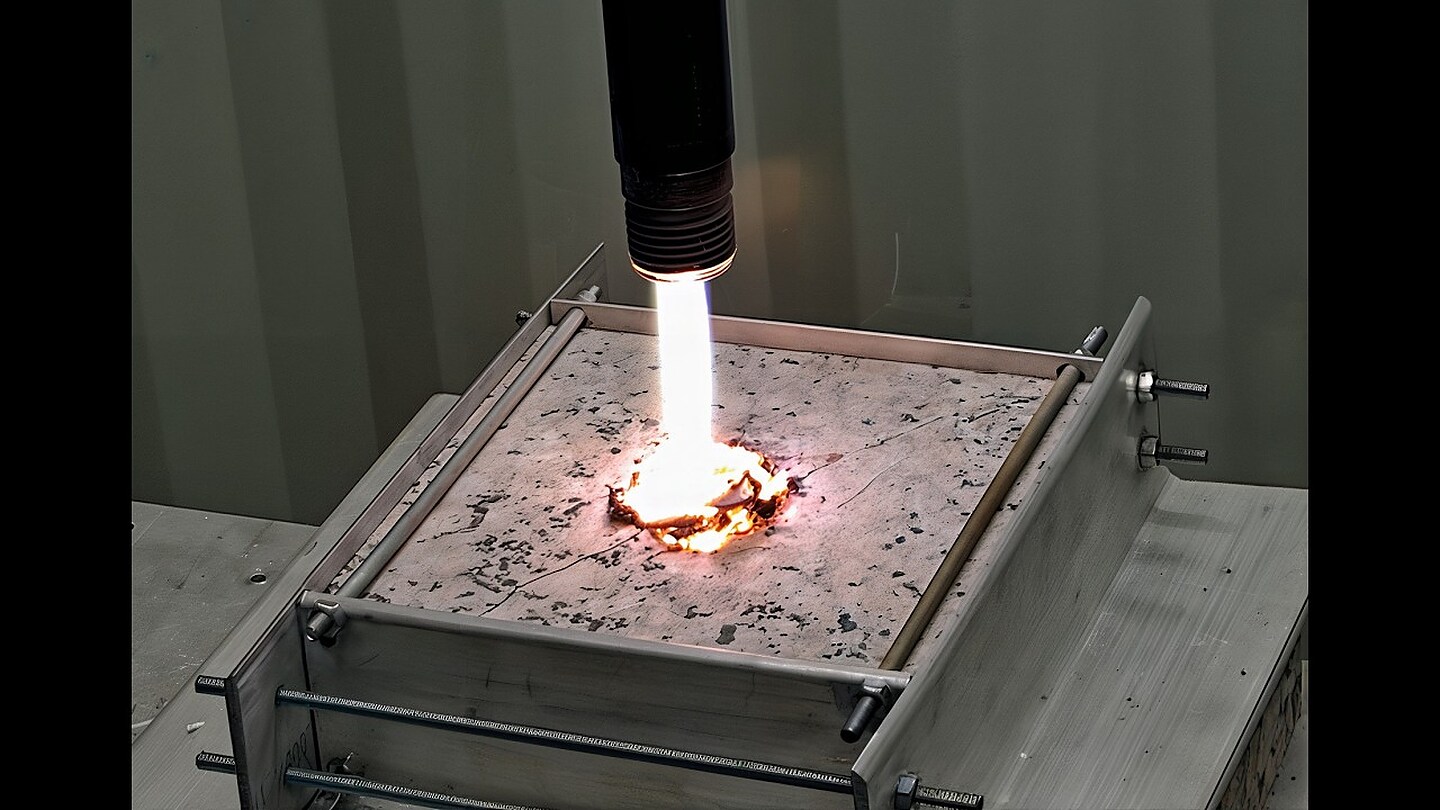
Quaise Energy drills for heat. The company is building millimeter wave drilling systems to reach superhot rock, up to 500°C and as deep as 20 kilometers, far beyond where conventional geothermal wells stop. At those temperatures and pressures, geothermal is no longer a resource tied to volcanic geography. It becomes clean baseload power that can sit under almost any grid on Earth.
The technology comes out of a decade of research by Paul Woskov at MIT's Plasma Science and Fusion Center. Co-founders Carlos Araque and Matthew Houde took the gyrotron, a tool built for fusion experiments, and aimed it at a different problem: rock too hot and too hard for any drill bit.
What they're building
A Quaise rig starts conventionally, with rotary drilling down to basement rock. Then the gyrotron takes over. It generates high-power millimeter waves at the surface, and standard tubing acts as the waveguide carrying the beam downhole. The beam vaporizes the rock face, and a purge gas lifts the vaporized rock back out. There is no bit grinding at the bottom of the hole, which is the part of deep drilling that breaks first.
The plan deliberately reuses existing rigs, standard tubing, and fossil-fired infrastructure rather than replacing them. The first power project is Project Obsidian in Central Oregon. Its first phase is 50 megawatts, designed to grow to 250 as more wells are developed, targeting commercial operation by 2030. Araque states the ultimate goal plainly. He wants to replace every oil and gas well with a supercritical geothermal well providing the same energy.
Why we backed the founders and team
Energy is the substrate under everything else we back. AI, semiconductors, and manufacturing all reduce to demand for cheap, firm power. Most clean generation is intermittent or geographically stranded. Heat at 20 kilometers is neither. If Quaise works, the answer to baseload decarbonization is a new hole rather than a new grid.
We also like how the company is built. It combines fusion-lab physics and oilfield drilling practice with utility-scale project development, an assembly no single industry would have produced on its own. The years ahead are waveguides that survive depth, materials that hold up at 500°C, and well completions nobody has done before. This is the long middle, where nothing demos well. Quaise signed up for exactly that part, and that is why we signed up with them.