
Updates
Unspun.
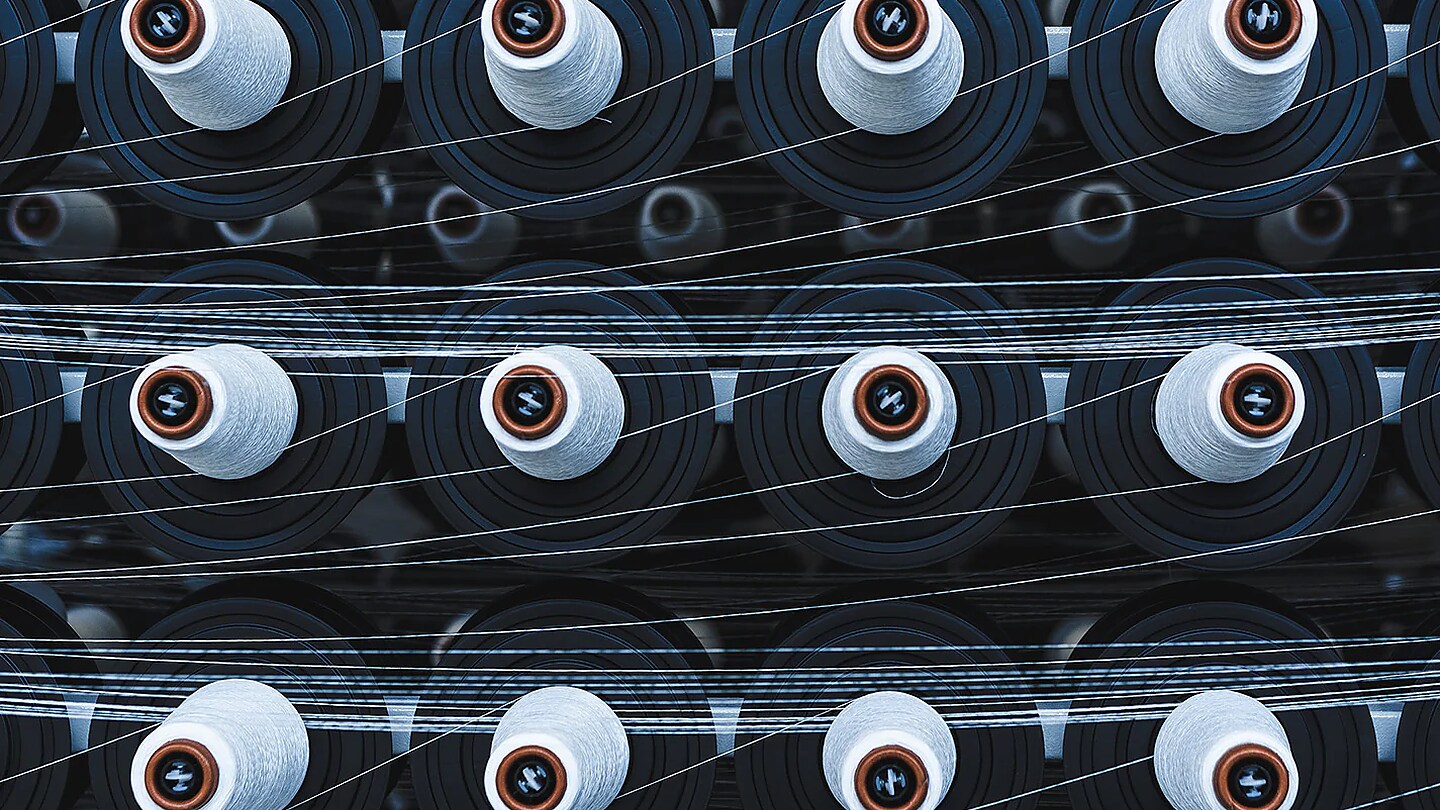
Unspun builds automated machines that weave clothing directly from yarn. Its 3D weaving system, Vega, starts with thousands of individual yarns and weaves them into three-dimensional textiles with no seams. The garment takes shape on the machine rather than on a sewing line assembling cut panels, and entire steps of the conventional cut-and-sew process are skipped.
The consequence is speed and proximity. Conventional apparel runs on long lead times: brands forecast demand and place bulk orders with factories an ocean away, then mark down or destroy whatever the forecast got wrong. Unspun says a Vega machine compresses production lead time from months to days. At that speed, a brand can produce in small batches with little inventory, or on demand with none.
What they're building
Vega is built for onshore and on-demand production of woven apparel. Because the machine forms the woven structure directly, steps of conventional manufacturing (spreading, cutting, most of the sewing) drop out. Unspun's claim is that this makes nearshore and onshore production financially feasible without sacrificing competitiveness, and lets brands adjust production to what the market actually does.
The machines are already making real product. Unspun has partnered with Walmart and Decathlon, and Vega-woven pieces have appeared on the runway with Eckhaus Latta.
Why we backed the founders and team
Apparel is one of the largest manufacturing industries on earth and one of the least automated. Sewing has defeated automation for decades because limp fabric is hard for machines to handle. That difficulty is much of why the industry chased low-cost labor offshore. Unspun's answer is to stop handling fabric altogether and build the garment at the yarn level, where a machine can hold every thread under tension. That is a harder machine to build, and a better problem to own.
This is the work we look for. Progress at Unspun is measured in yarn handling, weave quality, machine uptime, and cost per garment, the long middle where nothing demos well. If the machines keep getting faster and cheaper, the factory moves back to where the customer is, and a supply chain built on container ships and forecasts becomes a room of machines making what people already bought.